I get it. Your arms are getting too short to read the menu. Small print is a fuzzy blur. You need reading glasses, and you need them now. The world of over the counter reading glasses seems like an easy fix. Grab a cheap pair, right?
Big mistake. I made these mistakes buying over the counter reading glasses so you don't have to. Learn from my errors and pick the right pair the first time.
When my vision started to get blurry up close, my first thought was to save money. I saw pairs of reading glasses for just a few dollars. "Perfect!" I thought. I grabbed the cheapest pair I could find, figuring they all did the same job.
This was a big mistake. Those super cheap glasses were flimsy. The plastic arms bent easily. The lenses felt like thin plastic and scratched almost immediately. Some users complain about how quickly these cheap glasses break, often after just a few uses. They might look okay on the shelf, but they just don't last.
Verdict: Don't just look at the price tag. Think about how long the glasses will last and how well they will work.
After my first cheap pair broke, I still wasn't thinking smart. I just grabbed another pair that looked okay, without really checking what they were made of. I ignored important clues about quality.
Many people make this error. They don't check the frame material. They don't think about the lens type. This leads to common problems. For example, some reading glasses have frames that pinch your nose or hurt behind your ears because they aren't designed well. Others have lenses that give you a headache because they aren't clear or don't have good anti-glare coatings.
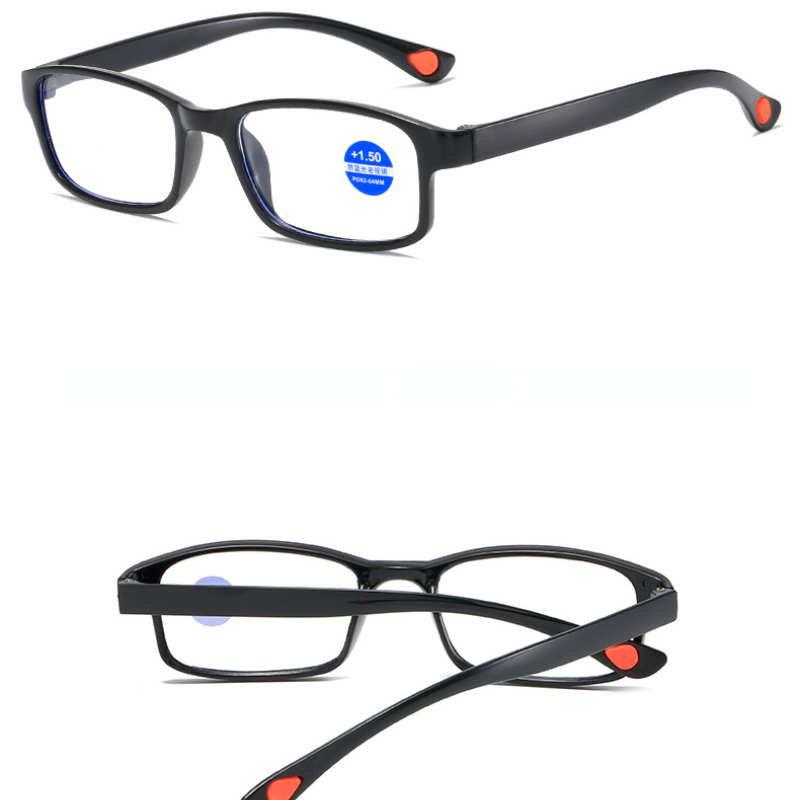
Good reading glasses often use stronger materials like TR90 for frames. This material is light and flexible, so it's comfortable and won't break easily. Good lenses should be clear and maybe offer features like anti-blue light protection, especially if you use a computer a lot.
Verdict: Always check the materials. Look for strong, flexible frames and clear lenses with useful features.
I used to just pick up reading glasses in a store without looking at what other people thought. I thought, "How bad can they be?" Learn from me: this is a huge mistake.
If you're buying online, not checking reviews is like buying blind. You miss out on what real users say about the product. Many people complain in reviews about bad fitting glasses, lenses that scratch too easily, or ones that arrive broken. These are problems you can avoid just by reading a few comments.
Reviews can tell you: