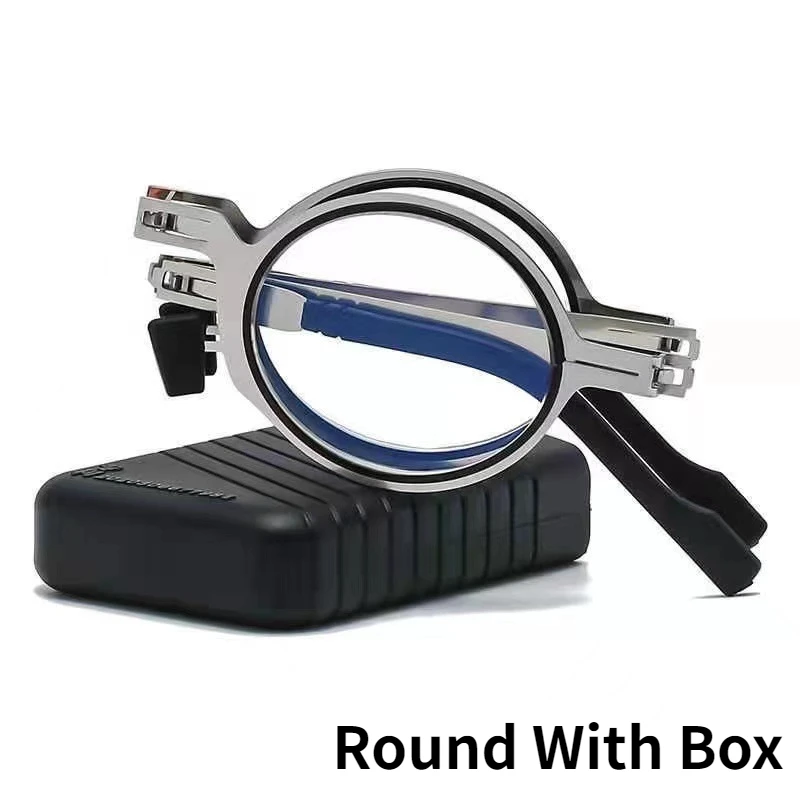
I get it. You need some "cheater glasses for reading" to help with those tiny fonts and blurry menus. We've all been there, squinting at our phones, wishing we had a little extra boost. So, I jumped online, found what looked like a good deal, and hit "buy." Big mistake. A really big mistake.
I made all the common errors, and ended up with flimsy, uncomfortable glasses that barely lasted a week. Now, I want to share my painful lessons so you don't have to suffer the same fate. Learn from me, and save your money, your eyesight, and your patience.
My first thought was, "How much can a pair of reading glasses really cost?" I saw super cheap options online, some for just a few dollars. I figured they all did the same job, so why spend more? I picked the lowest-priced pair I could find.
What I Experienced: "These glasses broke in half the first time I dropped them. The arms felt like they were made of cheap plastic. Total waste of money." That's what I'd write if I could go back and review my impulse buy. The frames felt like they'd snap if you looked at them funny. The lenses were murky, not clear. They didn't even sit straight on my face.
I get it, we all want to save money, especially on something as common as reading glasses. But trying to save a few bucks often means you'll spend more in the long run, replacing broken items again and again.
Verdict: Don't make my error. Super cheap usually means low quality. Quality materials cost a little more for a reason.
When I was searching for those cheap glasses, I barely looked at the product description. I just saw "reading glasses" and a low price. I didn't care about things like 'metal frame' or 'anti-blue light' or 'high definition.' Those just sounded like fancy words to me back then.
What I Experienced: "The description said 'durable,' but the hinges loosened up after two days. The lenses scratch easily, and my eyes still feel tired after reading." This was exactly my problem. The lenses of my cheap glasses started showing wear almost immediately. They felt heavy but flimsy. There was no mention of specific lens tech, and my eyes would still ache after long reading sessions, making me wonder if they were even helping at all.
Quality indicators are key! For cheater glasses for reading, look for specific features. These aren't just buzzwords; they tell you about the product's construction and how well it will perform.
Verdict: Pay close attention to the features and materials listed. They are crucial clues to a product's true quality and longevity.
I bought my first pair of reading glasses almost blindly. I just scrolled, clicked, and bought. I barely glanced at the star rating, let alone read what actual users were saying. I assumed a product on a big shopping site had to be "good enough."