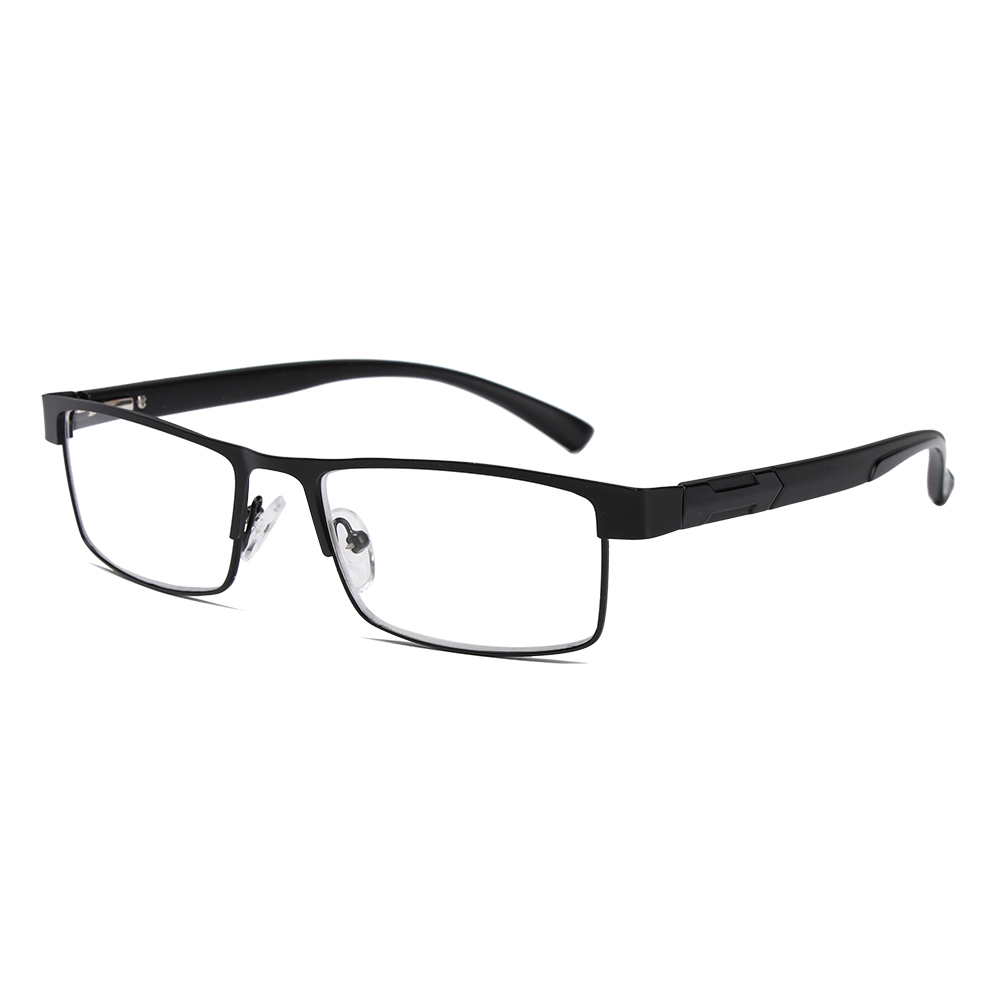
We all want clear vision, especially as we age. Half lens reading glasses are incredibly convenient, allowing you to look down to read and glance up over the lenses for distance. However, choosing the right pair can be surprisingly tricky. I've been in that position, scrolling through endless online options. While I was looking for a good deal, I ended up making several significant errors. Learn from my experience. You deserve glasses that are comfortable, durable, and truly effective.
My aim is to help you avoid the frustration and wasted money I went through. You're looking for clarity, comfort, and longevity. Let's ensure you get it right on your first try.
I understand the desire to save money. When I first shopped for half lens reading glasses, I was immediately drawn to the lowest prices. I thought, "How different could they possibly be?" That was a major mistake. Extremely cheap glasses often use inferior, flimsy materials. The frames feel insubstantial and fragile, as if they might snap with minimal pressure. The lenses scratch at the slightest touch, and the hinges loosen after just a few uses. This cycle forces you to replace them frequently, ultimately costing you more over time.
Verdict: Don't choose based on price alone. Consider how long the glasses will last. A slightly higher investment often translates to significantly better quality and a longer lifespan.
Opting for cheap glasses means missing out on quality materials. I didn't pay attention to what the frames were constructed from or the type of lenses used. I simply saw "reading glasses" and clicked buy. High-quality glasses utilize superior materials for both the frame and lenses. For instance, titanium alloy frames are remarkably lightweight yet strong, whereas cheap plastic frames are prone to bending and breaking. Resin lenses offer greater clarity and scratch resistance compared to basic plastic lenses.
Verdict: Always review the product description for material details. Look for terms like "titanium alloy" for frames and "resin" for lenses, as these are reliable indicators of better construction.
I frequently saw glasses with four or five stars and assumed they were "good enough," without actually reading the customer feedback. I should have looked for detailed reviews and noted recurring complaints. Sometimes, high ratings are given for fast shipping rather than product excellence, or by buyers unfamiliar with true quality. Learn from my oversight and dig deeper into the reviews.
Verdict: Don't rely solely on star ratings. Read at least five to ten detailed reviews. Pay attention to comments about durability, lens clarity, and fit. Also, check if the seller actively responds to questions and resolves issues.
Online retailers often use professional photography to make products appear more appealing. I purchased a pair because the ads made them look sleek and premium. However, the actual product that arrived was noticeably smaller, poorly finished, and felt cheap, with colors that didn't match the pictures. This is a common tactic with low-cost items, where presentation is enhanced to mask inferior quality.
Verdict: Be skeptical of ads that seem too good to be true. Try to find genuine customer photos in the review section, as these usually provide a more accurate representation of the product.
I bought the first pair of half lens glasses that looked acceptable, without considering critical factors like my exact lens strength, frame size, or how they would fit my face. Half lens glasses are designed to sit low for easy viewing over the top. If they are too large or too small, they won't function properly. An incorrect lens strength will still cause eye strain. I ended up with glasses that constantly slipped down my nose or provided blurry vision.
Verdict: Before purchasing, know your precise lens strength—consult an eye doctor if unsure. Measure your face or compare dimensions to a pair you already own that fits well, considering both lens width and height for optimal comfort.