Like countless others in today's digital age, I find myself tethered to screens for significant portions of my day. Between my laptop for work, my smartphone for connecting with the world, and my TV for unwinding, it's not uncommon for me to log over 10 hours of screen time daily. For a long time, I just resigned myself to tired, dry eyes, and the occasional headache, viewing them as an inevitable consequence of modern life. But a persistent worry lingered: could all this screen exposure actually be damaging my vision in the long term? I have reasonably good eyesight right now, but would my reliance on screens eventually lead to me needing corrective lenses? This growing concern sparked my proactive search for effective strategies for eye protection, and I’m thrilled to share that what I've discovered has truly transformed my daily comfort and given me greater peace of mind.
My first step towards addressing my eye discomfort was a simple experiment. I'd heard whispers about "blue light" and its potential impact, so I decided to try a pair of "BLU cut" lenses from an online retailer. To my genuine surprise, I noticed a tangible difference. The harsh glare of the screen seemed to soften, and by the end of a long workday, my eyes felt considerably less strained. This initial success was my first real clue that taking active measures could indeed make a positive impact on my eye health.
Alongside trying out those lenses, I also got into the habit of adjusting my mobile and PC settings, enabling night light and dark mode, especially as evening approached. These small, consistent changes definitely helped ease some of the visual fatigue. However, they didn't fully answer my deeper questions: Does excessive screen viewing truly cause lasting damage to our eyes? If someone like me has good eyesight now, could it actually deteriorate over time, forcing me to wear glasses, simply because of my heavy digital habits?
My routine, as I mentioned, involved staring at screens for well over 10 hours daily, split between my phone, laptop, and TV. This led me to continuously question: What kind of lens should I really be buying to best protect my eyes from this constant onslaught? I often saw blue light computer glasses advertised for very low prices, sometimes even below $10. Frankly, I was quite skeptical. Are these budget-friendly options legitimate? Do they actually filter blue light effectively, or are they more of a placebo?
Separately, yet still driven by a desire for long-term vision clarity, I started to think about LASIK surgery. I'm 32, with a -5.5 and 6 power prescription, and I wondered if it was truly worth getting the surgery now, considering that I would most likely need reading glasses by the time I hit 40 anyway. This was a significant personal dilemma, reflecting my overarching goal of maintaining good vision as I navigate the aging process in an increasingly digital world.
Through a process of research, experimentation, and some trial and error, I uncovered several strategies and products that have collectively made a profound difference in my daily life. It wasn't about finding a single magic bullet, but rather about adopting a multifaceted approach to vision care.
My initial positive experience with BLU cut lenses was just the beginning of a larger understanding. I learned that the blue-violet light emitted by digital screens can not only contribute to digital eye strain but also disrupt natural sleep patterns. As a result, investing in high-quality blue light filtering glasses became a priority for my daily screen use. These lenses function by selectively blocking a portion of the blue-violet light spectrum, which can noticeably reduce glare and significantly improve overall visual comfort during extended screen sessions.
While those initial affordable pairs offered some basic relief, I later sought out more robust solutions. I quickly learned that not all blue light lenses are created equal. I found that a better-quality coating or superior lens material often provides more consistent and effective filtering, all without causing noticeable color distortion. This was a key realization for ensuring consistent eye protection.
Without a doubt, one of the most impactful discoveries I made was photochromatic lenses. I started using them about two years ago, and I can honestly say I haven't looked back. For me, they are an absolute game-changer. These incredible lenses automatically adjust their tint based on the level of UV light exposure; they remain clear indoors and seamlessly darken to act like sunglasses when I step outside. This eliminated the constant hassle of switching between my prescription glasses and a separate pair of prescription sunglasses, which is incredibly convenient.
The benefits extend beyond just convenience. Not only do photochromatic lenses provide essential protection from harmful UV rays (which can cause significant damage to the eyes over time), but many modern versions also incorporate advanced blue light filtering technology. This means I get the best of both worlds: comfortable vision indoors with reduced blue light exposure from screens, and full UV protection the moment I venture outdoors. It has truly simplified my life and given me confidence that my eyes are continuously protected, regardless of my environment.
Beyond physical eyewear, I also found powerful software tools. One practical tip I picked up was discovering f.lux. This brilliant software automatically adjusts the color temperature of your computer screen throughout the day. In the morning and midday, the screen remains bright and cool-toned. However, as the evening progresses, f.lux gradually shifts the display to a warmer, more amber tone. This subtle, automated change significantly reduces the amount of blue light your eyes are exposed to after sunset, making screen viewing much more comfortable in the evenings and, in my experience, contributing to better sleep quality. It’s a simple, free tool that delivers a substantial improvement in daily digital comfort.
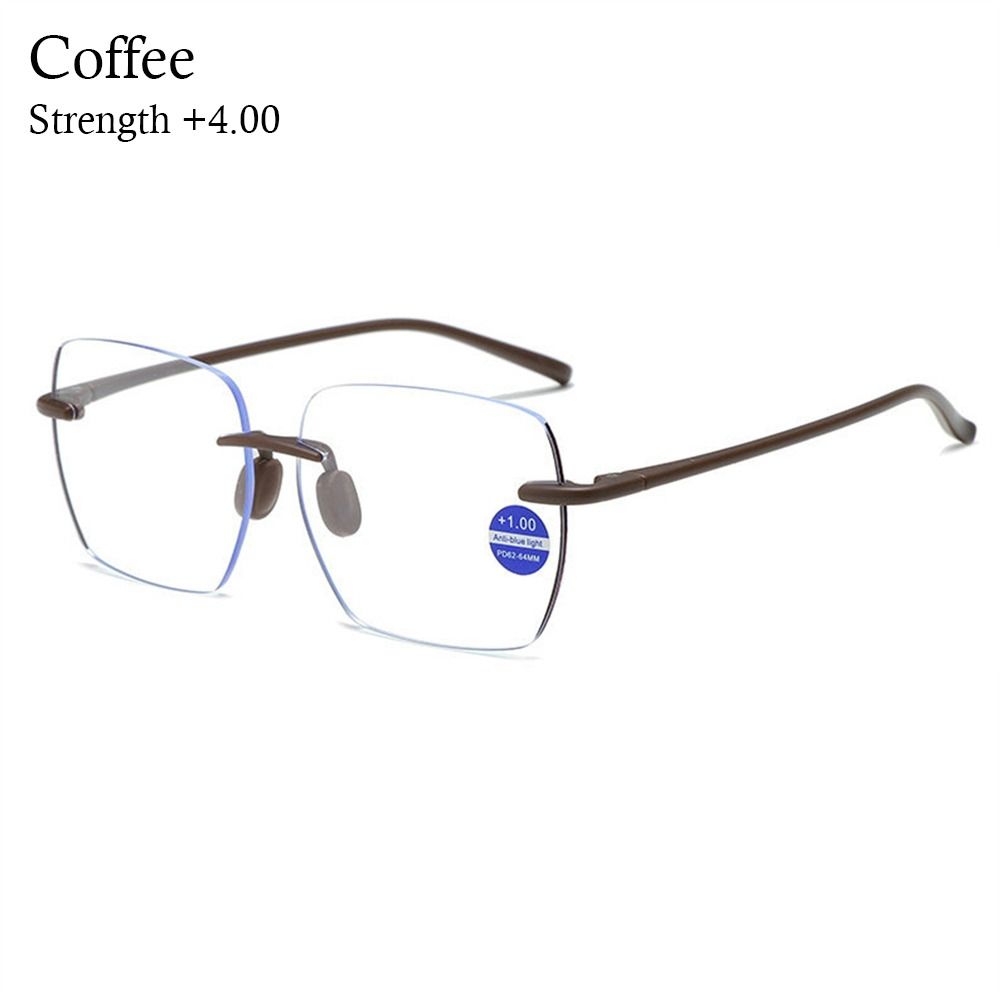
Given my current prescription and the knowledge that the need for reading glasses is a common age-related change, I've also been proactive in exploring comfortable and effective options for the future. I recently came across an excellent option that combines optical clarity with a modern, sophisticated design: