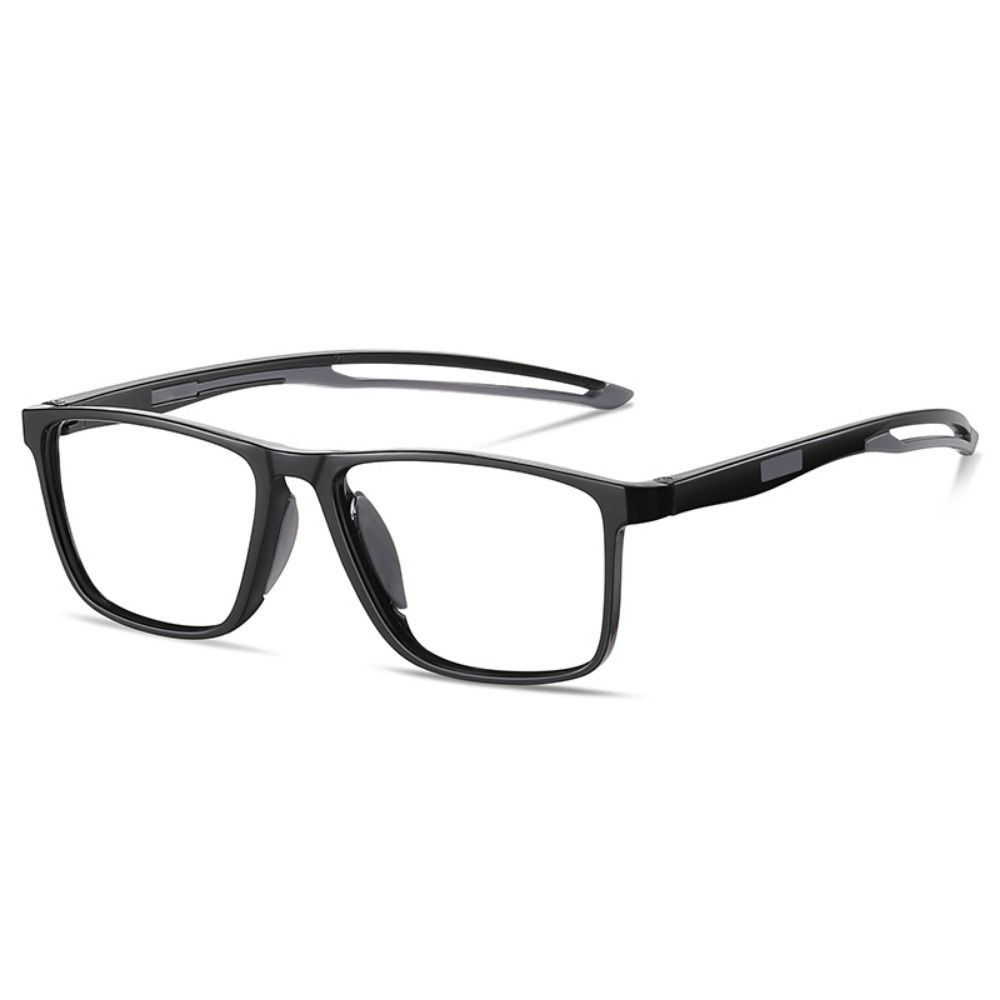
I once believed several things about designer reading glasses that simply aren't accurate. It's easy to be swayed by clever marketing or to assume all products are created equal. But let me share the real story. Choosing the right pair requires a closer look. Here's what often goes unsaid when selecting your next pair of protective reading glasses.
Hold off on buying new reading glasses until you've read this. Understanding the facts can save you money, time, and prevent eye strain. Today, we're setting the record straight on some major misconceptions. You'll discover:
Many assume all reading glasses are essentially the same. They might appear similar in online photos—you choose a frame you like and hope for the best. However, the quality of materials and construction makes a tremendous difference. It directly impacts how long your glasses last and how comfortable they feel on your face.
The misconception: "They all perform the same function. Just go with the cheapest option."
A cautionary tale: One shopper learned this lesson firsthand, stating, "I bought some glasses with progressive lenses... And the hinges are so stiff it feels like the sides will break." This is a classic indicator of poor manufacturing. Stiff hinges aren't just inconvenient; they signal an imminent risk of breakage, potentially leaving you with a broken pair soon after purchase.
The reality: High-quality glasses utilize superior components. Their hinges operate smoothly, and their frames are both sturdy and flexible, offering a solid, secure feel. Investing in well-made reading glasses means enjoying greater comfort throughout the day and a product that stands the test of time. You truly get what you pay for—a better product enhances your daily experience and delays the need for a replacement.
Verdict: Avoid settling for flimsy, cheaply made glasses. Prioritize robust frames with smooth-moving hinges. Always check reviews focusing on durability before you buy. Your goal should be glasses that feel comfortable and are built for longevity.
Hearing "progressive lenses" might conjure images of old-fashioned bifocals with a distinct line separating vision zones. This is a widespread misunderstanding. Some people expect to see a clear boundary between prescriptions, but modern progressive lenses are engineered to be seamless.
The misconception: "If there's no visible line, the progressive lenses aren't functional or aren't actually included."
A cautionary tale: A customer noted, "I bought some glasses with progressive lenses and you cannot even tell where the reading prescription is, if it is there at all." This shopper was likely confused. While a quality progressive lens seamlessly blends vision zones, a poorly crafted one can fail to provide any area of clear focus. If the lens is badly made, the progression can be so ineffective that it feels like there's no working prescription, leaving both near and distant vision blurry.
The reality: Proper progressive lenses provide a smooth, gradual shift from distance vision at the top, to intermediate vision in the middle, and reading vision at the bottom—with no visible lines. This design allows your eyes to move naturally between focal points. The transition should be imperceptible. If you struggle to find a clear reading zone or experience general blurriness, that indicates a low-quality lens, not a feature of how progressives work. A well-made progressive lens facilitates easy focus changes without lines or significant blur.
Verdict: Authentic progressive lenses are line-free. Difficulty finding clear vision zones points to poor lens quality or an incorrect prescription, not a lens that's "too good" at hiding the line. When shopping for designer reading glasses with progressives, read reviews about clarity and ease of adaptation. Always verify the return policy in case the glasses don't suit your needs.